Be yourself; Everyone else is already taken.
— Oscar Wilde.
This is the first post on my new blog. I’m just getting this new blog going, so stay tuned for more. Subscribe below to get notified when I post new updates.
Be yourself; Everyone else is already taken.
— Oscar Wilde.
This is the first post on my new blog. I’m just getting this new blog going, so stay tuned for more. Subscribe below to get notified when I post new updates.
In working in Fast Moving Consumer Goods, supply chain links need to to adapt over time. Reading articles regarding the circular economy principles definitely broaden my knowledge to look at it holistically. Four core steps that can lead to circular supply chain models that drive sustainability progress according to Aron Cramer are:
The first step requires a change in thinking. Circular economy principles envision a departure from the traditional “take-make-dispose” model in favor of a system that radically reduces—or eliminates—waste. As is so often the case, it is as much the “software” of our thinking as the “hardware” of our practices that drives or prevents change.
Second, circular supply chains require changes in product design. Everything from automobile components to athletic footwear can be re-imagined to ensure that components have fewer toxic elements and can be easily reused or recycled.
Third, circular supply chains require radical collaboration. Too often, production capacity is used inefficiently. Competitors share facilities but in many cases fail to coordinate production, resulting in excess—or strained—capacity. Companies are increasingly looking to manage their costs, and connected machines drive greater efficiencies. The obvious competitive issues that prevent optimizing capacity may be a luxury that companies can no longer afford.
Finally, the reverse cycle to reclaim materials is a fundamental element of the circular production model. The creation of reverse logistics not only reduces or eliminates waste, but also brings economic opportunities from the repurposing of scarce natural resources, which can generate new enterprises, as well as additional employment for people populating these efforts.
One thing to note is that, on its own, this model may not address ongoing issues regarding supply chain labor practices. That said, greater coordination among buyers could result in more concerted efforts to ensure the fair treatment of workers, as well as a material reduction of the production spikes that cause overwork in export facilities.
Circular economy principles have always made sense in terms of wise use of natural resources, and this remains true, now more than ever. And with increasing imperatives to reduce waste, more openness for collaboration among buyers, and growing ambition regarding companies’ climate pledges, the time is right to use circular economy principles to redefine supply chains for the next quarter-century.
Solutions are context specific and local knowledge and action are important. There are many pathways to sustainable development, and the SDGs give us the opportunity to connect local progress with our global ambitions.
A report from UN presented points that they believe will advance transformative progress for people and the planet. These include:
We need big action in a short amount of time, which requires leaders to make the hard, bold choices today. The report identifies four levers to achieve this change: governance, economy and finance, individual and collective action, and science and technology. While each lever alone can contribute to progress, balancing the needs of sustainable development requires collaboration across all four.
We have the scientific knowledge to get started, but it is not being adequately harnessed and disseminated. To make the hard choices and balance trade-offs, science must guide our decisions. The SDGs should serve as a compass for sharing existing evidence and mobilizing new research efforts, including across disciplines and fields. This will entail greater capacity building and financial support.
My work as a brand manager now has become more challenging amidst the ongoing pandemic. People have shrinking budgets and non essential items are now deprioritized. The team has to come up with new communication landscape on how we make our brands relevant and champion conversions and purchase from consumers. Communicating positively with the target market during this crisis is vital for business continuity.
On journals I have been reading below are some points the authors have emphasized in coming up with relevant content during this very trying time:
Genuineness is now more significant than ever during this outbreak.
With personal connections and physical proximity being decreased, individuals will turn to the internet more than ever for reliable sources of info and meaningful digital content experiences.
It’s worth thinking about what role your company will play. If you’re the company’s going through deep-seated changes, these steps can help you decode your concern to action.
Building Hope through Trustworthy and Philanthropic Content
Marketing is fundamentally a long game, fixated on primarily building relationships. Presently, the best way to chase this goal is through truthfulness and altruism, in the context of your industry and audience.
Focus on Connection
The easiest thing your company can do is place an importance on being available and quick to respond via social media, email, and other digital channels. But you also might want to contemplate finding ways to duplicate the vibrant personal interactions online.
The pandemic is unveiling and aggravating the brutal inequalities of capitalism between and within countries. It is undermining our core human needs and leaving millions vulnerable to a sudden loss of access to a means of survival. Many people simply cannot self-isolate, practice physical distancing or stop working. Evictions will become the norm as people cannot afford their rent and mortgages. The hardest hit will be the rural and urban working class, Indigenous Peoples, women, peoples suffering from racism, migrants, refugees, peoples living in areas of war and conflict, and peoples in countries enduring economic blockades. We will continue to see increasing numbers of workers losing their jobs, and migrants facing a criminal denial of their human rights, as well as higher and longer walls.
COVID-19 is exposing the magnitude of the care crisis in our societies: a crisis that has developed over centuries through the failure the capitalist system to care for peoples, nature and territories, and its reliance on the work and bodies of women to make up for and fix the damage caused by the capitalist neocolonialist system of exploitation. Through the sexual division of labour, women have been and continue to be socially responsible for, and burdened with, care work. Working class women and families and single mothers are forced to choose between confinement in the home or working to feed their families, at the risk of catching the virus. This is particularly true for women suffering from racism. Front line health workers, of which women make up the majority, are facing even greater exploitation with inadequate financial compensation for the risks they take and the responsibilities they have for others.
The pandemic is compounding the consequences of decades of both the inaction of rich countries in addressing the climate change and their harmful policies. We face this pandemic in a context in which democracy is already under attack, with the manipulation of elections through corporate control of our data and the media and even coups d’état in some countries. The rise of the extreme right and neofascism and their misogynist, xenophobic, militaristic and racist discourses and policies is leading to a direct attack on the rights that have been hard won by popular classes and the feminist movement. Many governments have already started silencing voices that defend true democracies and peoples’ power and participation, by criminalising and trying to dismantle social organisations and movements.
We each face a similar situation in transitioning from centralized offices to remote work. COVID-19 has been devastating to people, families, and economies. Many jobs, and incomes, are tied to providing a service in a specific location – retail, hospitality, dining, etc. But, for those individuals and organizations who can complete tasks remotely, COVID-19 has forced a global social experiment in remote work. And, this experiment presents both challenge and opportunity.
The COVID-19 pandemic accelerated a change in work habits that have been in motion for a while. Even before the coronavirus crisis, the number of people working from home had grown 140 percent in the past 15 years. Workers like the flexibility, employers like the savings and the potential boost in efficiency. People who are able to embrace work-from-home as a potential accelerant with a commitment to succeed are going to thrive. In contrast, those who don’t modify their approach to the new reality, or, worse, take a break, will not.
While nurses, police officers and other first responders (among others) understandably need to compartmentalize their work and private lives, for 21st-century knowledge workers it makes a lot more sense to talk about work/life integration instead of work/life balance. The former, unlike the latter, is not a zero-sum game and it’s possible, by structuring your day properly, scheduling in that ever necessary “me” time and through effective cooperation with the rest of your team, to both get more work done and enjoy more free time. Working remotely needn’t be synonymous with burnout.
Those who are able to optimize remote work look poised to thrive in ways that they weren’t before. Changing work structures amount to rearranging all the furniture in the room, and — increasingly — doing away with a physical room altogether. All this change means that different people have an opportunity to step forward and thrive. You can use that moving walkway to get where you are going faster, or take a break. Whereas we used to talk about striking a balance, a shift toward integrating work with your private life can create some new challenges for people. But it’s also a shift ripe with opportunity.
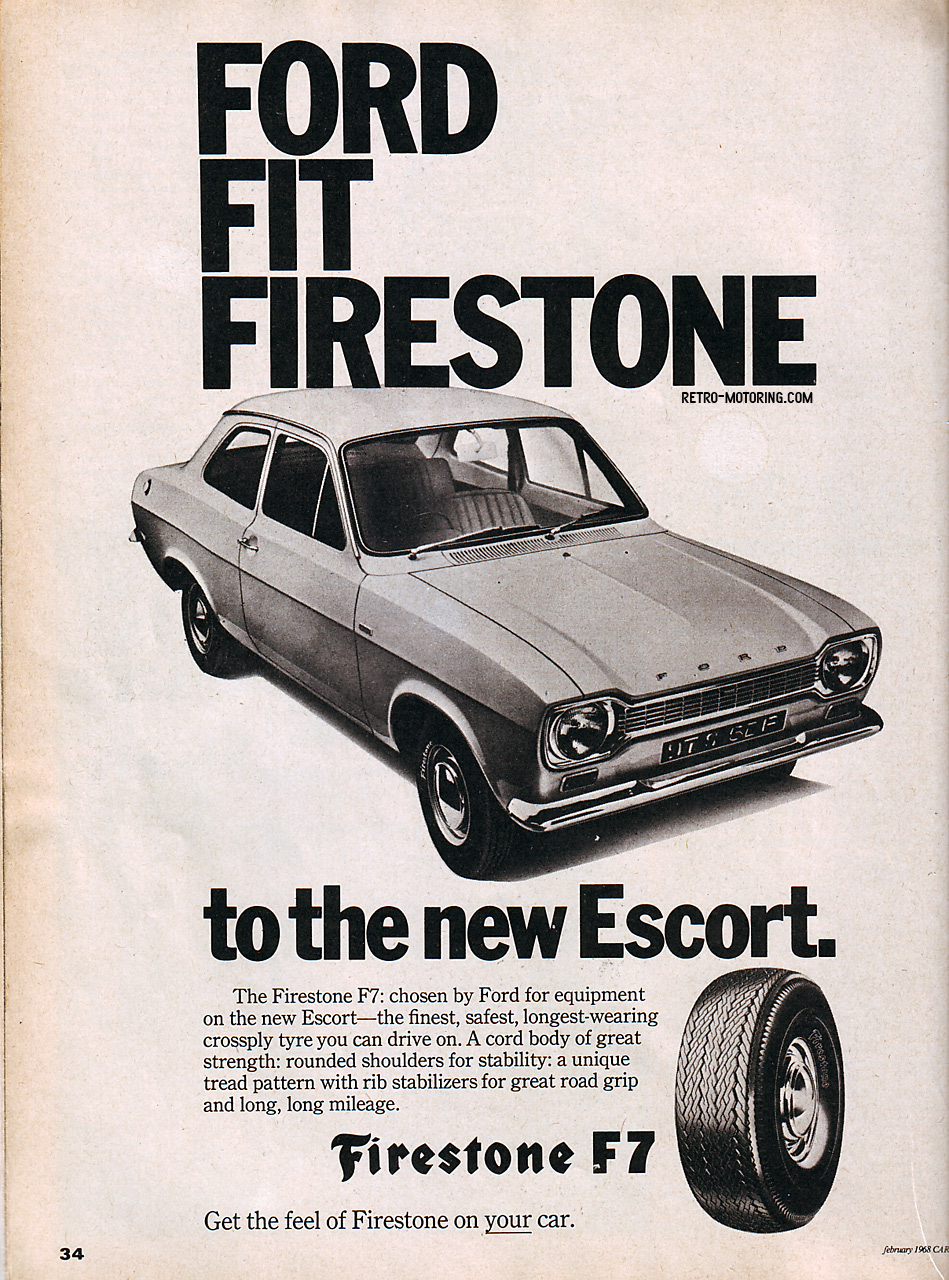
One of the learning output from BUS560M class is a presentation of an assigned case and an interrogation with another group that will work on a separate ethical case. We were the second group to present and was assigned the case of Firestone’s Tire recall. This was an example of two renowned companies committing ethical violations in pursuit of profits. Shockingly, Ford seems to have a problematic management since this case happened years after they’ve been involved with another case on their Pinto car model. They once again disregarded safety and quality of their product and evidently lacked accountability in handling the crisis.
In a nutshell, the lack of proactive efforts from all major actors (Ford, Firestone, and NHTSA) resulted to loss of lives and livelihood, massive financial losses, tarnished reputation, and disengagement of long term partnership. These two corporations were strong partners for long years and even done complementing advertisements. However, in dealing with this rollover issue they wanted to save their own business and blamed each other for the increased number of issues regarding the quality of their products. Ford says, “It’s a Firestone problem and not a vehicle problem” while Firestone on the other hand claimed, “It’s the lack of vehicle’s stability and not due to our tires”. Instead, of conducting collaborative efforts in handling the issue, they were both busy pointing finger with the other party.
In analyzing the case, we took the point of view of the National Highway Traffic Safety Administration (NHTSA), the regulating body of vehicle products in USA. NHTSA is in the position to conduct an investigation on product standards, authorized to request for a recall, and to ensure that the workers and the consumers are protected. Alternative courses of actions were discussed and we came up with the recommendation of NHTSA to start working on setting up process and control improvements in Ford and Firestone and will be acceptable to the safety regulations for the whole car industry. The group wanted to stimulate collaboration between the two companies and establish a joint committee to develop guidelines and protocols that companies will adhere to in delivering quality of product.

“Ethical marketing refers to the process by which companies market their goods and services by focusing not only on how their products benefit customers, but also how they benefit socially responsible or environmental causes.” (Shewan, 2018)
My current role as an Assistant Brand manager requires strong project management skills from brand strategy conceptualization to actual implementation. I am expected to grow the market share and brand equity through Above-the-Line and Below-the-Line activities I will implement year on year. In my line of work, I craft plans that aim to grab market shares from leaders of the category. In order to do this, we must have a compelling story to share to our consumers backed up with a strong brand essence that is relevant and relatable to the target market.
In relation to Above-the-Line activities, I normally partner with a creative agency in designing a communication strategy prior the start of the year. The way we do the planning process is I brief them of my brand calendar full year for all planned activities and possible product launches that are in line with the company direction. The agency will go through the task and come back with a proposal for all media channels – Television, Radio, Print, Digital, and OOH. Then the revision and approval process begins. This is where I believe my business ethics is often challenge. Being a market challenger is a tough but fulfilling job, we have to consistently think of cost effective ways in communicating our message across the channels. Multinationals normally flex their muscle in terms of advertising so you frequently see them anywhere. But for us, we strategically place our materials to key channels that we deem are most fit for the location and target market.
On the other hand, Below-the-Line activities are those that are conducted on trade level. These are mostly identification of point of sales and inducing trial usage through different set of activities or gimmicks. Dealing with supermarkets is very challenging which I did not knew prior joining my company. Before, I casually go through supermarket aisles just thinking of the products I want to buy and go. But now, I always do competitor checks and review brand activities that could possibly be implemented for my brands. Additionally, I now look at it as a real estate business, basically every corner in a supermarket is rented; the more visible you want your brands to be, the higher your rental fees are. We fight off consumer attention so we buy out shelves and allot display allowances for highlight. The free items that you normally see attached to the products are also carefully thought off so we can encourage offtake and eventually result to brand conversion upon trial.
In my present company, part of our core values are transparency and accountability. I give high regards into these when making decisions not only for the sake of my brand image but for all stakeholders in general. In planning and implementing all my activities, I observe diligently ethical frameworks that will bring positive associations to my brands and my company.

It was interesting when we were discussing this case on the class. At the beginning, I find it a bit technical as I have no extensive knowledge on cars and its parts. The case was very specific on parts’ placement as the reason behind accidents and loss of lives. Fortunately, we have a passionate car enthusiast in the class who is generous enough to share details and deeper background of the case through history of the brands involved and their manufacturing process. The Ford-Pinto case is a classic example of corporate malpractice. A company prioritizing profits over safety of its products which resulted to further losses. There is a clear violation of business ethics.
In mid 1960’s, Ford wanted to compete with Volkswagen on the subcompact category and capitalize it. The company decided to expedite their production process and disregarded critical safety concerns that were raised by its engineers. In wanting to meet their design objective, the gas tank had been located behind rather than on top or front of the rear axle. As a result, the Pinto was highly vulnerable to deadly fires in cases of collision at a certain speed. There is no way for the passengers to escape when this happens and they will be trapped in the fire. They knew it would cost them additional time and resources if they address the issue and redesign the model, so they proceeded and marketed the product to the public. When launched, a number of fire-related deaths using the model were reported that reaffirmed the danger of the fuel-tank design that they ignored during production. Deliberately, Ford’s top management still continued to market the product without modifying it based on a cost benefit analysis made by Ford’s engineers. The conclusion was that spending $11 to fix the tank placement issue proved to be more expensive than the computed loss of life and injuries that may arise. These documents were then made available to the public which cause outraged that forced the government to mandate immediate recall for the Pinto.

I found myself frowning when reading this case, how could they put certain amount on people’s lives? That is extremely heartless and plain cruel for the sake of profits. Human life, pain and suffering is something that cannot be bought by money or be measured by dollars. Big corporations such as Ford should be bridging the problematic gaps in the society but they did the complete opposite. This is a great and relevant lesson for every business, quality assurance and regulations must be strictly monitored especially if it involves wellness and life of an individual. It is imperative to put safety as a top priority in every company’s mission in delivering goods and services to its customers.
Discussing this case is eye opening to the harsh realities of the world. Business leaders especially those who are in charge of making decisions must learn from this case. Human life must be respected and dignified.

I can still clearly remember, three years ago as a fresh graduate, my predicament was to decide which company and industry I should embark on. They always tell you before graduation that your first job defines your outlook as you shift in being a career person. I was so obsessed to do well in this transition process and began overthinking the options that I have. From the four job offers that I got, I chose to go full time marketing and work in Brand Management. Honestly, it was not the highest package that was handed to me, but my gut tells me that it is where I will hone and master my craft. I joined a local company that does trading and marketing of consumer products in the Philippines; which belongs to the fast-moving consumer goods industry. This was the same industry where my internship supervisor started her career in marketing before transitioning into Retail. I recall how firm she was in suggesting that there is a lot to learn in this industry and it will really push yourself to think creatively.
It was May 2, 2017. A week after my graduation ceremony. I was dressed up in a clean white button-down shirt with a black tie. I booked a grab going to Manggahan, Pasig and alighted in front of a six-story blue building, looked up then whispered, “This is it!” My spirit was skyrocket high; it was my first day of work back then. I was full of enthusiasm and greeted everyone with a warm smile on my first day. Halfway through the day, my boss handed me my first ever task of analyzing sales trend for brand initiatives. Unfortunately, I didn’t do well with it and presented “unrealistic” activities to the team. The excitement I was feeling initially turned into massive doubts. “Can you work in this industry? Are you good enough? Are you creative?” where the thoughts that kept bugging me on my way home. I was so scared and I started thinking not to go back. But NO, I showed up the next day with a new bright smile, and high hopes ready to face a new challenge and do better.
I would be lying if I tell you that thoughts of quitting haven’t hit my mind on my next days, months, and years at work. It did. Many times. But that cycle of emotions, similar to my first day of work experience, built my character. I learned not to quit when bombarded with problems, instead step back a bit and retry over again until I get solutions I’ll be happy and proud about. Moreover, one great advice I held on from my marketing adviser during undergraduate was—to be able stay alive in this dog-eat-dog world, one has to have “Tibay ng dibdib and Kapal ng mukha” (in her exact words). I took this with me while observing humility in the places I go to. Who would’ve thought, that same person who failed and was full of doubts on his first day, is now the youngest ever Assistant Brand Manager of the company he works for . I am gritty and strong-willed to succeed in my chosen field.

In our class session, we discussed Pat Gelsinger’s book entitled “Balancing Your Family, Faith, and Work. The author recounted how he grew up in the farm while balancing his job at Intel and attending church with his wife. He was constantly pursuing further studies while continuing his job in his company. He described his overall experience as something similar to juggling three tennis balls – Work, Family, and Church (God).
The author’s experience is very similar to what I’m going through right now. I try to juggle my work and study while still attending to my responsibilities to my family and my church. I currently live and work at Pasig while my fsamily and church is in Manila. I go home only every weekends to eat out with my family and enjoy each other’s company but the rest of my week is dedicated for my work and studies. Thankfully, I found a job that I truly like which gives me a good income that help sustain my personal needs as well as be able to support my family. I support my own education because I believe in continuous learning process and that there’s more that I can acquire that will be beneficial for my personal and career life in general. However, In my pursuit of career advancement and further education, I find myself sacrificing my role as a Son and Brother to my family. Also, I don’t give much time now in my church ministries unlike before. I plan to improve my quality of life by balancing my time equally to these three important aspects.
We also discussed in class the Work, Leisure, and Integration Matrix. We were group with four members each to discuss our own personal assessment where we identify ourselves in the matrix. Four of us kind of belong to similar circumstances and ended up agreeing on most part of the matrix. However, upon discussing it with the class, it was liberating to hear other point of view under different set of circumstance. I learned deeper how each individual differences take part in shaping one’s perspective on career and life in general.
Personally, in terms of work, I view it as a career more than just a job to make ends meet. Income has become a deciding factor when I was choosing job but having experience the reality of the work I’m doing, I fell in love with it more. It is a facet where I can broaden my creativity and skills. I see my day to day work as a opportunity to continually better my craft. In terms of Leisure, I consider myself on the utility side more. The fact that I pursued MBA at an early age is a proof that I consider learning as a tool to enhance my skillset and knowledge base. I want to continue to “sharpen my saw” so I decided to use my free time to pursue graduate program. Lastly, in terms of integration, I believe I’m in the achievement level. I view my success as milestones and my failures as a challenge to learn more. In doing decision, I try my best to not weigh in so much emotion as to not affect my rationality.
Have a WordPress.com account? Log in now.

