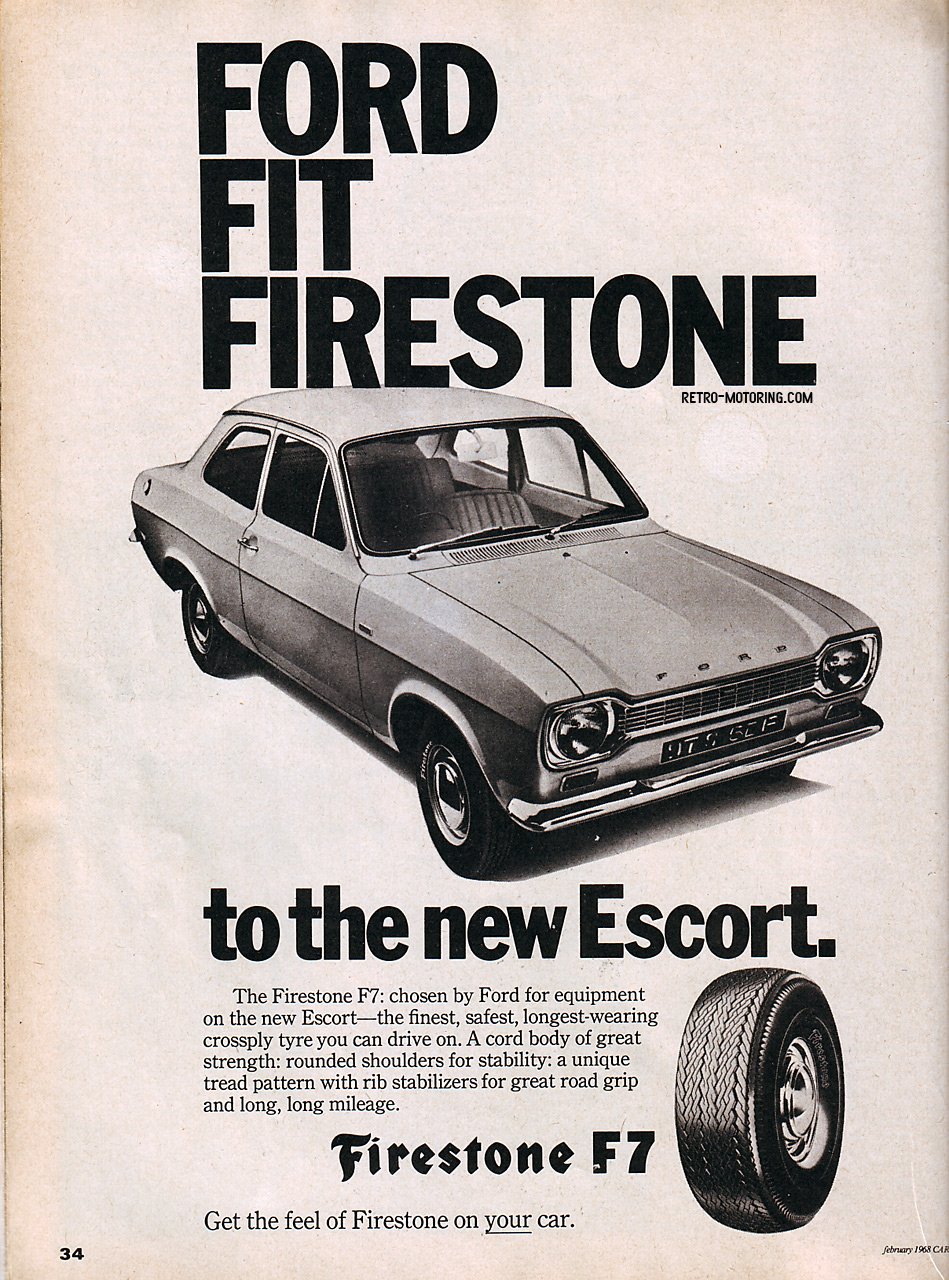
One of the learning output from BUS560M class is a presentation of an assigned case and an interrogation with another group that will work on a separate ethical case. We were the second group to present and was assigned the case of Firestone’s Tire recall. This was an example of two renowned companies committing ethical violations in pursuit of profits. Shockingly, Ford seems to have a problematic management since this case happened years after they’ve been involved with another case on their Pinto car model. They once again disregarded safety and quality of their product and evidently lacked accountability in handling the crisis.
In a nutshell, the lack of proactive efforts from all major actors (Ford, Firestone, and NHTSA) resulted to loss of lives and livelihood, massive financial losses, tarnished reputation, and disengagement of long term partnership. These two corporations were strong partners for long years and even done complementing advertisements. However, in dealing with this rollover issue they wanted to save their own business and blamed each other for the increased number of issues regarding the quality of their products. Ford says, “It’s a Firestone problem and not a vehicle problem” while Firestone on the other hand claimed, “It’s the lack of vehicle’s stability and not due to our tires”. Instead, of conducting collaborative efforts in handling the issue, they were both busy pointing finger with the other party.
In analyzing the case, we took the point of view of the National Highway Traffic Safety Administration (NHTSA), the regulating body of vehicle products in USA. NHTSA is in the position to conduct an investigation on product standards, authorized to request for a recall, and to ensure that the workers and the consumers are protected. Alternative courses of actions were discussed and we came up with the recommendation of NHTSA to start working on setting up process and control improvements in Ford and Firestone and will be acceptable to the safety regulations for the whole car industry. The group wanted to stimulate collaboration between the two companies and establish a joint committee to develop guidelines and protocols that companies will adhere to in delivering quality of product.
 REFLECTIONS ON LASALLIAN BUSINESS LEADERSHIP